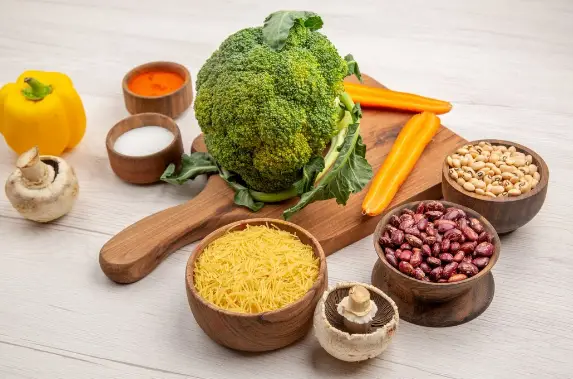
The global transition toward plant-focused and vegetarian nutrition represents a fundamental evolution in nutritional science. Driven by extensive clinical research highlighting metabolic efficiency, cardiovascular longevity, environmental sustainability, and ethical consumption, millions of individuals are shifting away from animal-centric diets. However, despite this global momentum, one widespread nutritional misconception persists: the false belief that a vegetarian or plant-based diet cannot supply sufficient high-quality protein to support skeletal muscle hypertrophy, athletic recovery, immune system strength, and optimal metabolic function.
The physiological reality is that the plant kingdom offers an extraordinarily rich, diverse, and bioavailable array of amino acids. When strategic nutritional planning, proper food pairing, and optimal culinary preparation techniques are applied, plant-based proteins not only satisfy basic human physiological requirements but also deliver high-density dietary fiber, vital phytonutrients, anti-inflammatory antioxidants, and essential trace minerals—without the high levels of saturated fats, dietary cholesterol, and advanced glycation end-products (AGEs) linked to heavy meat consumption.
This master guide provides an exhaustive analysis of vegetarian and plant-based protein sources. From the complex biochemistry of essential amino acid profiles and peptide bonds to protein quality scoring systems (PDCAAS and DIAAS), antinutrient mitigation, athletic meal planning, and age-specific protein targets, this resource covers everything you need to master plant-based nutrition.
Executive Overview: Reaching peak daily protein targets on a vegetarian diet is straightforward once you understand amino acid kinetics and protein quality metrics. By strategically combining legumes, pulses, fermented soy matrices, ancient pseudo-grains, seeds, nuts, organic dairy, microalgae, and sprouted crops, vegetarians can easily build lean muscle mass, optimize tissue repair, enhance metabolic rate, and safeguard long-term cardiovascular health.
1. The Molecular Biochemistry of Protein: Amino Acid Kinetics & Physiology
Protein is not a monolithic macronutrient; it is a complex biological polymer constructed from individual organic molecules called amino acids, linked together by peptide bonds. In human physiology, amino acids serve as the foundational structural scaffolding for skeletal muscle tissue, metabolic enzymes, peptide hormones, immune antibodies, cellular transport proteins, and connective tissue collagens.
A. The Complete Spectrum of 20 Amino Acids
Human biological function relies on 20 standard amino acids, which are classified into three distinct physiological categories based on endogenous synthesis capabilities:
- The 9 Essential Amino Acids (EAAs): Histidine, Isoleucine, Leucine, Lysine, Methionine, Phenylalanine, Threonine, Tryptophan, and Valine. The human genome lacks the enzymatic pathways required to synthesize EAAs de novo. Consequently, these must be ingested through dietary intake. A deficiency in even a single EAA limits total bodily protein synthesis (the Liebig’s Law of the Minimum principle).
- The 3 Branched-Chain Amino Acids (BCAAs): Leucine, Isoleucine, and Valine. BCAAs are unique because they bypass direct hepatic (liver) metabolism and are metabolized directly within skeletal muscle tissue. Among them, Leucine acts as the primary molecular “trigger” that activates the mTORC1 (mammalian target of rapamycin complex 1) signaling pathway, driving Muscle Protein Synthesis (MPS).
- The 11 Non-Essential & Conditionally Essential Amino Acids: Alanine, Arginine, Asparagine, Aspartic Acid, Cysteine, Glutamic Acid, Glutamine, Glycine, Proline, Serine, and Tyrosine. Under normal conditions, the liver synthesizes these internally. However, during periods of extreme physiological stress, intense athletic training, illness, or rapid growth, conditional EAAs (such as Glutamine and Arginine) must be supplemented via diet.
B. Protein Quality Evaluation Metrics: PDCAAS vs. DIAAS
In nutritional science, protein quality is evaluated using standardized scoring frameworks rather than looking solely at total weight in grams:
1. Protein Digestibility-Corrected Amino Acid Score (PDCAAS): Historically used by the WHO and FAO, PDCAAS measures protein quality based on the amino acid requirements of a 2- to 5-year-old child, adjusted for fecal digestibility. Scores cap out at 1.00 (achieved by soy protein, egg white, and whey).
2. Digestible Indispensable Amino Acid Score (DIAAS): The modern, more precise standard recommended by the FAO. DIAAS evaluates true ileal digestibility at the end of the small intestine rather than fecal measuring, preventing overestimation caused by microbial metabolism in the colon. High-quality plant isolates (like pea and soy isolates) score competitively close to animal proteins under DIAAS metrics.
C. The Myth of “Protein Combining” at Every Meal
In the 1970s, popular media spread the myth that vegetarians must strictly combine “incomplete” plant proteins (e.g., rice and beans) within the exact same plate to form a complete protein. Modern metabolic science has thoroughly debunked this concept. The liver maintains an endogenous transient amino acid pool that stores and recirculates free amino acids over a 24-hour cycle. As long as a variety of plant foods supplying all 9 EAAs are consumed across the day, the body automatically constructs complete, high-quality proteins as needed.
2. Complete Plant Proteins: Standalone Nutritional Powerhouses
Several plant-based and vegetarian whole foods offer complete amino acid profiles on their own, making them essential staples for balanced nutrition:
Top Standalone Complete Proteins
1. Organic Soy Matrix (Edamame, Tofu, Tempeh):
Soybeans are one of the few plant foods providing a complete EAA profile comparable to animal protein. Tempeh (a fermented whole-soybean cake) delivers ~19–20g of protein per 100g, along with natural probiotics that support gut microbiome integrity. Extra-firm tofu provides ~12–15g per 100g, while edamame (young green soybeans) offers 11g per 100g alongside rich dietary fiber.
2. Quinoa (Chenopodium quinoa):
A pseudo-grain originating from the Andes, cooked quinoa delivers 8g of complete protein per cup (185g). It is exceptionally high in Lysine and Methionine, making it an ideal gluten-free alternative to polished white rice.
3. Raw Hemp Hearts (Cannabis sativa):
Shelled hemp seeds deliver 10g of complete protein per 3-tablespoon serving (30g). Hemp protein is primarily composed of edestin and albumin—two highly digestible storage proteins. Additionally, hemp hearts provide a beneficial 3:1 ratio of Omega-6 (linoleic acid) to Omega-3 (alpha-linolenic acid) essential fatty acids.
4. Chia Seeds (Salvia hispanica):
Providing 4.7g of complete protein per 2 tablespoons (28g), chia seeds form a hydrophilic mucilaginous gel when hydrated. This gel slows gastric emptying, prolongs satiety, and stabilizes postprandial glucose spikes.
5. Spirulina & Chlorella (Microalgae):
These microscopic algae consist of 60% to 70% complete protein by dry weight. A single 10g tablespoon supplies 6g of protein, rich concentrations of phycocyanin (a potent antioxidant), bioavailable iron, and B-complex vitamins.
3. The Master Vegetarian Protein Comparison Matrix
Use this detailed reference matrix to evaluate serving sizes, total protein yield, primary limiting amino acids, and key micronutrients across major vegetarian and plant sources:
| Food Source | Standard Serving | Protein (g) | Limiting Amino Acid | Primary Micronutrients & Benefits |
|---|---|---|---|---|
| Seitan (Vital Wheat Gluten) | 100 grams | 25.0g | Lysine | Selenium, Iron, Phosphorus, Calcium |
| Organic Tempeh | 100 grams | 20.0g | None (Complete) | Probiotics, Manganese, Magnesium, Copper |
| Cooked Green/Brown Lentils | 1 cup (198g) | 17.9g | Methionine & Cysteine | Folate (B9), Non-Heme Iron, Potassium |
| Cooked Chickpeas (Garbanzo) | 1 cup (164g) | 14.5g | Methionine | Manganese, Soluble Fiber, Zinc |
| Greek Yogurt (Plain 0%) | 1 cup (200g) | 20.0g | None (Complete) | Bioavailable Calcium, Vitamin B12, Iodine |
| Paneer (Cottage Cheese) | 100 grams | 18.3g | None (Complete) | Casein Protein, Calcium, Phosphorus |
| Nutritional Yeast Flakes | 2 tbsp (16g) | 8.0g | None (Complete) | Fortified B-Complex (B12), Beta-Glucans |
| Raw Pumpkin Seeds (Pepitas) | 1 oz (28.35g) | 8.5g | Lysine | Magnesium (150mg), Zinc, Healthy Lipids |
| Cooked Quinoa | 1 cup (185g) | 8.1g | None (Complete) | Magnesium, Flavonoids (Quercetin), Fiber |
| Sprouted Ezekiel Bread | 2 slices (68g) | 10.0g | None (Complete) | Low Glycemic Index, Zero Sugar, Fiber |
4. Deep Dive: Major Plant Protein Categories & Health Impacts
To build a diverse, nutrient-dense weekly meal plan, integrate foods across all key plant protein families:
A. Pulses, Legumes & Lentils (Fabaceae Family)
Legumes are the foundational cornerstone of traditional plant diets across the globe. This category includes brown, green, red, black (beluga), and yellow lentils, along with black beans, pinto beans, navy beans, mung beans, and kidney beans. Beyond supplying 15–18g of protein per cooked cup, pulses are rich in resistant starch and soluble viscous fiber (such as raffinose and alpha-galactosides).
Resistant starch escapes digestion in the upper gastrointestinal tract and travels directly to the colon, where anaerobic gut bacteria ferment it into Short-Chain Fatty Acids (SCFAs)—specifically acetate, propionate, and butyrate. Butyrate serves as the primary energy substrate for colonocytes (colon cells), strengthening tight junctions, preventing leaky gut syndrome, and lowering systemic inflammatory markers like CRP (C-Reactive Protein).
B. High-Protein Ancient Grains & Sprouted Cereals
Replacing refined grains with nutrient-dense ancient grains boosts overall daily protein intake while providing essential complex carbohydrates:
- Spelt & Farro (Triticum spelta): Hexaploid species of ancient wheat supplying 10–11g of protein per cooked cup, with higher water solubility for easier digestion than modern hybridized wheat.
- Wild Rice (Zizania aquatica): Technically the seed of a marsh grass native to North America, wild rice provides 7g of protein per cooked cup and contains double the protein content of standard long-grain brown rice.
- Teff (Eragrostis tef): An ancient North African grain rich in iron, teff supplies 10g of protein per cooked cup and is naturally gluten-free.
C. Seeds, Nuts, and Cold-Pressed Seed Butters
Nuts and seeds serve as concentrated energy sources that deliver healthy fats alongside plant protein. Raw pumpkin seeds (pepitas) yield an impressive 8.5g of protein per ounce (28g), alongside over 35% of the Recommended Daily Intake (RDI) for Magnesium—a mineral crucial for ATP energy production, muscle relaxation, and nervous system health. Almonds, pistachios, sunflower seeds, and tahini (sesame paste) provide additional plant protein, Vitamin E, and heart-healthy monounsaturated fats.
5. Antinutrients & Bioavailability: Science of Preparation
One critical concept in plant-based nutrition is the role of naturally occurring defense compounds called antinutrients. Plants evolved these secondary metabolites to protect their seeds against insects, fungi, and harsh environments. When ingested in high concentrations without proper preparation, these compounds can inhibit digestive enzymes and reduce mineral absorption.
A. Primary Antinutrient Compounds
- Phytic Acid (Myo-inositol 1,2,3,4,5,6-hexakisphosphate): Binds to divalent cations—specifically Zinc (Zn2+), Iron (Fe2+), Calcium (Ca2+), and Magnesium (Mg2+)—forming insoluble phytate complexes that reduce mineral absorption in the small intestine.
- Protease Inhibitors (Trypsin & Chymotrypsin Inhibitors): Proteins found in raw legumes that interfere with pancreatic digestive enzymes, slowing down peptide breakdown and protein absorption.
- Lectins (Phytohaemagglutinins): Carbohydrate-binding proteins that can cause intestinal discomfort or gas if legumes are undercooked.
B. Evidence-Based Processing Techniques to Maximize Digestion
⚡ How to Deactivate Antinutrients and Improve Absorption:
- Hydration & Soaking: Soaking dried pulses in warm water for 12 to 24 hours (discarding the soaking water) activates endogenous phytase enzymes, breaking down 40% to 60% of phytic acid. Adding an acidic medium (such as 1 tbsp lemon juice or apple cider vinegar) further optimizes phytase activity.
- Germination & Sprouting: Allowing soaked seeds or legumes to sprout for 24–48 hours breaks down antinutrients almost completely, increases free amino acid content, and dramatically boosts bioavailable Vitamin C.
- Fermentation: Microbial fermentation (used in tempeh, sourdough bread, and traditional dosa batters) converts complex proteins into pre-digested peptides and free amino acids, making them significantly easier to digest.
- Thermal Pressure Cooking: High-temperature pressure cooking destroys heat-sensitive lectins and trypsin inhibitors entirely, eliminating bloating and maximizing protein digestibility.
6. Determining Daily Protein Targets: Athletic & Lifecycle Requirements
Protein requirements vary significantly depending on age, body weight, physical activity level, and athletic goals. A one-size-fits-all approach is insufficient for optimal metabolic health.
A. Daily Intake Guidelines by Category
- Sedentary Adult Baseline (RDA): 0.8 grams per kilogram of body weight (g/kg). Note: This is the minimum intake required to prevent tissue deficiency, not the target for optimal health.
- Endurance Athletes: 1.2 to 1.4 g/kg of body weight to repair exercise-induced muscle damage and replenish glycogen storage enzymes.
- Hypertrophy & Strength Athletes: 1.6 to 2.2 g/kg of body weight (approx. 0.7–1.0g per pound). Studies show that spreading intake across 3–5 meals containing 3g+ of Leucine maximizes muscle protein synthesis.
- Seniors (Preventing Sarcopenia): 1.2 to 1.5 g/kg of body weight. Aging muscles exhibit anabolic resistance, requiring higher protein density per meal to stimulate muscle repair.
7. High-Protein Meal Plans: 140g+ Daily Blueprint
Here is a sample 1-day meal plan showing how a vegetarian athlete or active individual can hit 140+ grams of protein using whole, nutrient-dense foods:
🍳 Breakfast: High-Protein Tofu & Scramble Toast (approx. 36g Protein)
Sauté 150g firm tofu mashed with turmeric, nutritional yeast (2 tbsp), bell peppers, and spinach. Serve alongside 2 slices of toasted Ezekiel sprouted grain bread spread with 1 tbsp hemp seeds and 1 tbsp almond butter.
🥗 Lunch: Mediterranean Quinoa & Chickpea Power Bowl (approx. 38g Protein)
Combine 1 cup cooked quinoa, 1 cup cooked pressure-cooked chickpeas, 50g cubed pan-seared tempeh, diced cucumber, cherry tomatoes, and 30g raw pumpkin seeds. Toss with a tahini, garlic, and fresh lemon juice dressing.
🥤 Post-Workout Recovery Smoothie (approx. 32g Protein)
Blend 1 cup unsweetened soy milk (or organic dairy milk), 1 scoop pea/rice isolate protein powder, 1 tbsp chia seeds, 1 tbsp peanut butter, half a frozen banana, and a handful of blueberries.
🍲 Dinner: Savory Lentil & Cottage Cheese Curry (approx. 38g Protein)
1.5 cups cooked brown lentil dahl served alongside 100g grilled paneer (or low-fat cottage cheese) cooked with garam masala and tomatoes, paired with 1/2 cup cooked wild rice.
8. Key Micronutrients on a Plant-Based Diet: Synergistic Pairings
To maintain peak health on a plant-based diet, pay close attention to key micronutrients that work alongside protein:
A. Iron: Heme vs. Non-Heme Absorption Kinetics
Plant foods contain non-heme iron (Fe3+ ferric state), which is less readily absorbed than animal-derived heme iron. To boost non-heme iron absorption by up to 300%, pair iron-rich plant foods (like lentils, spinach, and pumpkin seeds) with Vitamin C (Ascorbic Acid). Ascorbic acid reduces ferric iron (Fe3+) to the highly soluble ferrous state (Fe2+) in the stomach. Avoid drinking coffee or tea (which contain polyphenols and tannins) directly alongside iron-rich meals.
B. Vitamin B12 (Cobalamin) Supplementation
Vitamin B12 is synthesized exclusively by soil-dwelling microorganisms, not plants or animals. Because modern agricultural washing removes soil residues, unfortified plant foods contain virtually no B12. Vegetarians and vegans should consume B12-fortified foods (such as nutritional yeast or plant milks) or take a high-quality daily Cyanocobalamin or Methylcobalamin supplement (250mcg daily or 2500mcg weekly) to prevent neurological complications and megaloblastic anemia.
Frequently Asked Questions (FAQs)
Yes. Double-blind randomized controlled trials demonstrate that when total daily protein intake and Leucine content (~3g per meal) are matched, plant protein isolates (such as pea and rice protein blends) stimulate muscle protein synthesis (MPS) and build skeletal muscle mass just as effectively as animal whey protein.
Extensive human meta-analyses show that moderate daily consumption of whole, minimally processed soy foods (like tofu, tempeh, and edamame) is safe. Soy contains phytoestrogens (isoflavones like genistein and daidzein), which bind selectively to estrogen receptor-beta (ER-β) rather than receptor-alpha. Soy does not lower testosterone in men or disrupt endocrine balance in women.
To avoid digestive discomfort, increase fiber intake gradually over 2 to 3 weeks to allow your gut microbiome time to adapt. Soaking beans for 24 hours, pressure cooking, and adding digestive herbs (such as cumin, ginger, or epazote) helps break down oligosaccharides (raffinose) before consumption.
A 70:30 blend of Pea Protein Isolate and Brown Rice Protein Isolate is considered the gold standard. Pea protein is rich in Lysine but lower in Methionine, while rice protein is rich in Methionine but lower in Lysine. Combining them creates a complete amino acid profile that matches whey protein.
9. Conclusion
Choosing a plant-focused or vegetarian diet does not mean compromising on athletic performance, physical strength, or muscle building. The plant kingdom provides an abundance of high-quality amino acids capable of supporting cellular repair, athletic recovery, and overall vitality.
By eating a diverse range of plant proteins—such as legumes, fermented soy, ancient pseudo-grains, seeds, nuts, and organic dairy—and preparing them using soaking and sprouting techniques, you can enjoy a vibrant, sustainable diet that supports lifelong health.
Disclaimer: This comprehensive guide is provided strictly for educational and informational purposes. Individual nutritional requirements vary based on age, genetics, physical activity levels, and underlying health conditions. Always consult a qualified sports dietitian, clinical nutritionist, or physician before making major dietary adjustments.