Aging research is experiencing a renaissance. Scientists are no longer just studying diseases of old age. They are investigating aging itself. They want to understand why bodies decline. They hope to slow that process. This field demands incredible precision.
Experiments involve thousands of samples. They test countless compounds. Each tiny variable matters. Success depends on accuracy at every step. This is where laboratory automation becomes essential. It provides the consistency that aging research desperately needs.
The Foundation of Reproducible Science
Longevity experiments are notoriously difficult to replicate. Cells from different donors behave differently. Slight variations in handling change outcomes. A compound that extends lifespan in one lab might fail in another. This inconsistency plagues the field.
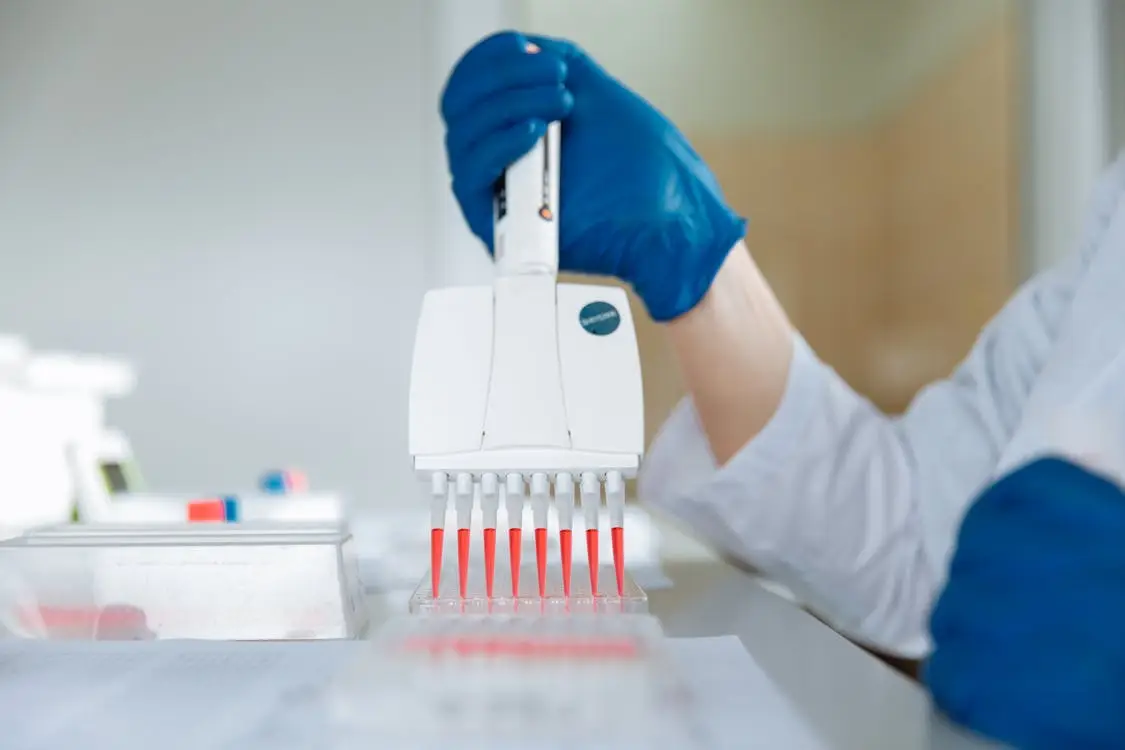
The root cause is often human error. Manual pipetting introduces variability. Automated systems solve this problem. Modern precision dispensing technology delivers exact liquid volumes every time. It removes the human element from liquid handling. This consistency is the foundation of trustworthy aging research.
Screening Thousands of Compounds
The search for longevity drugs is a numbers game. There are thousands of potential compounds. Some are existing drugs. Others are natural products. Many are completely new molecules. Testing them one by one is impossible. High-throughput screening is the only answer.
Automated dispensers fill thousands of wells rapidly. They create complex assay plates in minutes. This speed allows researchers to cast a wide net. They can identify promising candidates quickly. They can then focus resources on the most compelling leads.
Working With Precious Samples
Aging research often involves rare materials. These might be cells from centenarians. They could be expensive reagents. They are always limited in quantity. Wasting even a single drop is painful.
Precision dispensing systems are incredibly gentle with samples. They use non-contact technology. They deliver nanoliter volumes with zero cross-contamination. Every precious drop is used efficiently. Nothing goes to waste. This efficiency stretches research budgets further.
Creating Complex 3D Models
The field is moving beyond simple cell cultures. Scientists now grow organoids. These are miniature, three-dimensional versions of human organs. They mimic real tissue much better. But they are also harder to work with. They require careful feeding and treatment.
Manual pipetting can damage their delicate structure. Precision dispensing systems handle this challenge beautifully. They deliver nutrients and compounds gently. They maintain the integrity of these complex models. This allows for more realistic aging studies.
Longitudinal Studies Over Time
Aging happens slowly. Even in cells, observing changes takes time. Experiments can run for weeks or months. Maintaining consistency over these periods is difficult. A technician might pipette slightly differently on day thirty. This introduces a variable that confounds results.
Automated dispensers work the same way every single day. They follow the exact same protocol. They ensure that a treatment on day one is identical to day thirty. This consistency is vital for longitudinal aging studies.
Multiplexing for Deeper Insights
Modern aging research looks at many factors simultaneously. Researchers measure gene expression, protein levels, and metabolic activity. They want a complete picture. Doing this requires complex experimental designs. Different reagents must be added at different times.
Precision dispensing systems handle this complexity easily. They are programmable and flexible. They can add multiple compounds to the same well in sequence. This multiplexing capability generates richer, more informative data from every sample.
Accelerating Discovery
The ultimate goal is to find interventions that help people age better. Every day of delay means people continue to suffer. Speed matters immensely. Automated precision dispensing accelerates every step of the research process. It prepares plates faster. It reduces errors that waste time. It enables experiments that would be impossible manually.
This acceleration brings us closer to real longevity treatments. It turns scientific curiosity into practical solutions for healthy aging.
Conclusion
Precision dispensing is not just a convenience in longevity research. It is a fundamental requirement. It provides the consistency that makes experiments reproducible. It handles precious samples with care. It enables complex, high-throughput screening. It maintains stability over long time courses.
This technology empowers scientists to ask bigger questions. It allows them to trust their results. As aging research accelerates, precision dispensing will remain at its core. It delivers the accuracy needed to unlock the secrets of longer, healthier lives.
Also Read: What Is the Difference Between Health and Wellness?