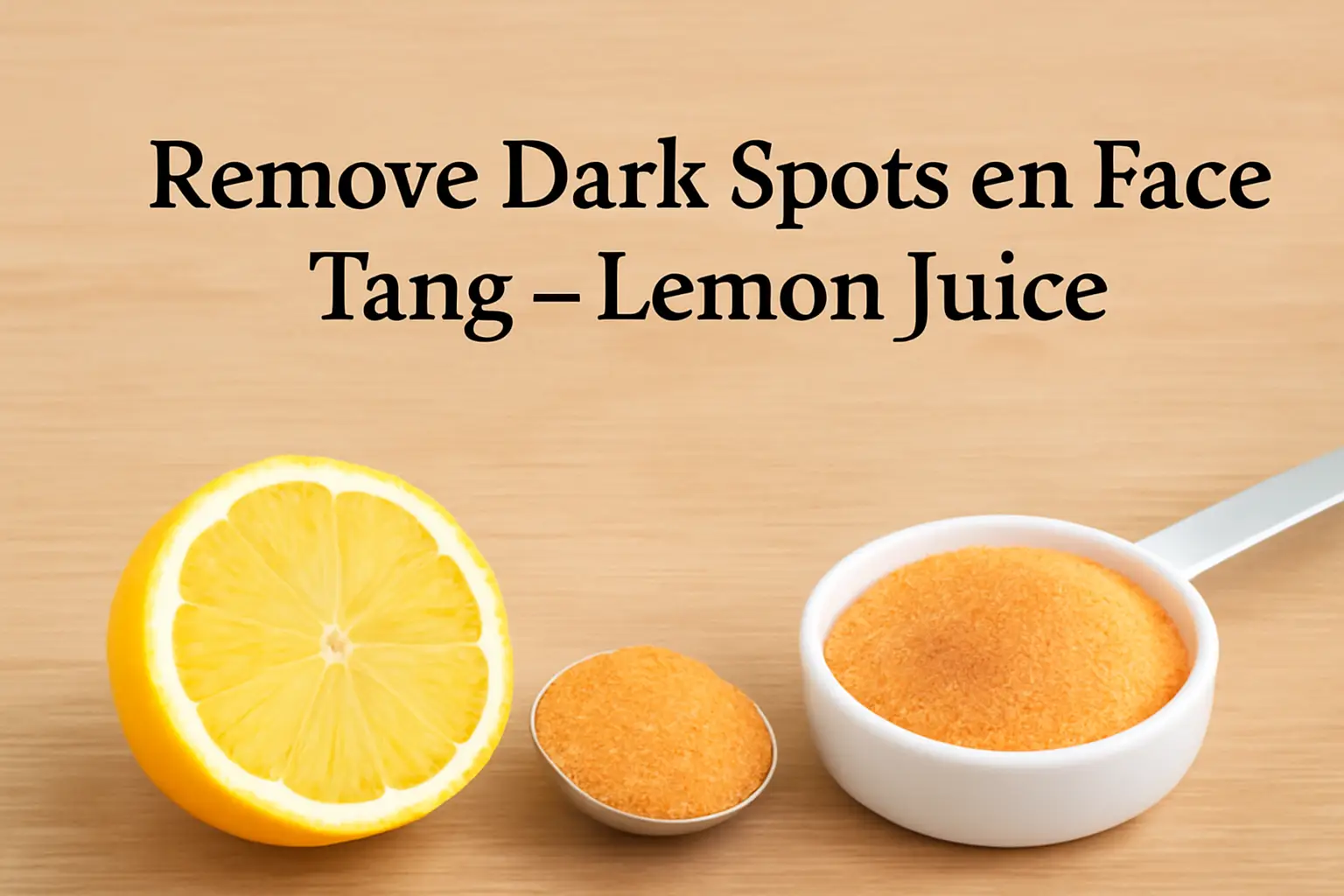
Hyperpigmentation, post-acne marks, sun spots, and uneven skin tone are among the most widespread dermatological concerns globally. In the search for fast, inexpensive home remedies, social media trends frequently promote DIY kitchen concoctions—such as mixing instant powdered drink mixes (like Tang) with raw lemon juice—promising to scrub away dark spots overnight. However, while these remedies promise instant results, applying harsh kitchen acids and processed sugars directly to the delicate skin on your face can lead to severe skin barrier destruction, chemical burns, and long-lasting hyperpigmentation.
Achieving a clear, spot-free, and luminous complexion requires a fundamental understanding of how skin pigment forms, why raw citrus remedies fail, and how to safely utilize dermatologically approved active ingredients and bio-compatible organic alternatives.
Critical Dermatological Safety Warning: Never apply raw, undiluted lemon juice or synthetic drink mixes (like Tang) to facial skin. Raw lemon juice has an extremely acidic pH (~2.0) that strips the acid mantle, while citrus compounds called furocoumarins cause severe UV-induced blistering and chemical burns known as Phytophotodermatitis. Artificial food dyes and high sugars in drink powders further clog pores and cause bacterial breakouts.
1. The Biological Science of Hyperpigmentation: How Dark Spots Form
To treat dark spots effectively, one must first realize that hyperpigmentation is not dirt on the surface of the skin. It is the result of complex cellular activity happening deep within the lower layers of the epidermis.
A. Melanocytes, Melanin, and Tyrosinase
Deep inside the basal layer of your skin sit specialized cells called melanocytes. These cells produce melanin, the pigment responsible for giving human skin, hair, and eyes their unique color. The enzyme tyrosinase acts as the primary catalyst in this pigment production process. When skin suffers trauma, inflammation, or UV exposure, tyrosinase over-activates, driving melanocytes into overdrive and producing localized clusters of dark pigment.
B. Primary Categories of Facial Dark Spots
- Post-Inflammatory Hyperpigmentation (PIH): Red, brown, or black marks left behind after skin trauma, such as acne breakouts, eczema flares, or aggressive physical scrubbing.
- Solar Lentigines (Sun Spots): Flat, freckle-like brown spots caused by cumulative exposure to ultraviolet (UV) rays over time.
- Melasma: Symmetrical, mask-like dark patches typically triggered by hormonal fluctuations (pregnancy, oral contraceptives, thyroid shifts) paired with sun exposure.
2. Deconstructing the “Tang and Lemon Juice” Hack: A Dermatological Disaster
Online trends advocate mixing Tang powder (a processed sugary beverage mix) with fresh lemon juice under the false assumption that citric acid and Vitamin C will dissolve melanin instanty. Here is why this hack causes destructive skin reactions:
A. The Extreme pH Threat of Raw Lemon Juice
Healthy human facial skin operates at a natural, slightly acidic pH level between 4.5 and 5.5, known as the acid mantle. Raw, undiluted lemon juice carries an extreme pH level of 2.0 (100 to 1,000 times more acidic than skin). Applying raw lemon juice strips away protective epidermal lipids, resulting in chemical burns, severe scaling, intense contact dermatitis, and a compromised moisture barrier.
B. Phytophotodermatitis (Margarita Photodermatitis)
Citrus fruits naturally contain light-sensitizing organic compounds called furocoumarins (specifically psoralens). When you apply lemon juice to your skin and step outdoors into direct sunlight, these compounds react with UVA radiation to trigger a severe toxic photochemical burn. This leads to blistering, painful swelling, and severe secondary hyperpigmentation that can take years to fade.
C. The Dangers of Tang Drink Mix on Facial Skin
Tang is an industrial, highly processed beverage product containing refined sugars, high citric acid concentration, and artificial food colorings (such as Yellow 6 and Red 40). Sugar granules create micro-tears across the delicate facial epidermis when scrubbed. Furthermore, artificial dyes stain open pores, while high sugar residues feed acne-causing bacteria (C. acnes), triggering breakouts that leave behind even more dark spots.
3. Comparative Analysis: DIY Hacks vs. Safe Science-Backed Solutions
Review the structured comparative matrix below to see how dangerous DIY hacks contrast with clinically approved dark spot correctors:
| Method / Ingredient | pH & Stability | Mechanism of Action | Safety Profile & Side Effects |
|---|---|---|---|
| Tang & Lemon Scrub | pH ~2.0 (Unstable) | Abrasive physical damage and extreme acid stripping. | High Risk: Chemical burns, severe photosensitivity, pore staining, acne spikes. |
| Formulated Vitamin C Serum | pH 3.0–3.5 (Stabilized) | Inhibits tyrosinase, quenches free radicals, boosts collagen. | Safe: Mild tingling initially; brightens tone without skin barrier breakdown. |
| Niacinamide (5%) | pH 5.0–6.0 (Skin-identical) | Blocks melanosome transfer, strengthens barrier ceramides. | Extremely Safe: Excellent for all skin types, reduces redness and sebum. |
| Alpha Arbutin (2%) | pH 4.8–5.5 (Balanced) | Reversible, slow-release tyrosinase inhibition. | Highly Effective: Non-irritating spot corrector suitable for long-term use. |
| Azelaic Acid (10–15%) | pH 4.0–4.5 (Optimized) | Selectively destroys abnormal melanocytes and calms PIH. | Dermatologist Standard: Safe during pregnancy, targets both acne and spots. |
4. Dermatologist-Approved Actives for Removing Dark Spots Safely
If you want to fade facial discoloration without damaging your skin, board-certified dermatologists recommend building a routine around these scientifically proven active ingredients:
Top Clinically Proven Pigment Correctors
1. Stabilized Vitamin C (L-Ascorbic Acid or 3-O-Ethyl Ascorbic Acid):
Formulated in controlled laboratory environments, stabilized Vitamin C safely penetrates the skin to inhibit melanin synthesis, brighten skin tone, and protect against environmental oxidative damage.
2. Niacinamide (Vitamin B3):
Rather than inhibiting melanin creation, Niacinamide prevents pigment packets from traveling from melanocytes to surface skin cells, making it a master ingredient for treating acne marks.
3. Alpha Arbutin & Kojic Acid:
Plant-derived compounds that act as natural hydroquinone alternatives. They slow down tyrosinase activity safely without toxicity or long-term risks.
4. Chemical Exfoliants (AHAs like Glycolic & Lactic Acid):
Alpha Hydroxy Acids gently dissolve the intracellular glue binding dead, hyperpigmented cells on the skin surface, accelerating cell turnover to reveal fresh, evenly pigmented skin underneath.
5. Safe, Gentle & Organic Home Remedies for Brightening Skin
If you love natural organic skincare, skip the acidic kitchen hacks and opt for bio-compatible, non-irritating botanical remedies:
🍃 1. Pure Raw Aloe Vera & Wild Turmeric Gel:
Recipe: Mix 2 tablespoons of 100% pure organic aloe vera gel with 1/4 teaspoon of Kasturi Manjal (wild non-staining turmeric).
Scientific Benefit: Aloe vera contains aloin, a natural non-toxic depigmenting agent that lightens dark spots, while curcumin in turmeric halts inflammatory pigment triggers.
🍃 2. Licorice Root Extract & Organic Yogurt Soothing Pack:
Recipe: Blend 1 tablespoon of organic plain Greek yogurt with 1/2 teaspoon of pure Licorice root powder.
Scientific Benefit: Licorice root is rich in glabridin, which inhibits UV-B-induced pigmentation. The mild lactic acid in yogurt provides ultra-gentle enzymatic surface exfoliation.
6. The Ultimate Defense: Why Daily Sun Protection is Non-Negotiable
No spot corrector, serum, or treatment will ever work if you neglect sun protection. Ultraviolet (UV) rays are the ultimate stimulus for melanocytes. Even brief sun exposure triggers immediate melanin production, rapidly darkening existing spots and creating new ones.
To protect your skin and allow dark spots to fade, apply a broad-spectrum SPF 30 or SPF 50 sunscreen (containing Zinc Oxide or Titanium Dioxide) every single morning as the final step in your routine, regardless of weather or whether you stay indoors.
Frequently Asked Questions (FAQs)
Epidermal hyperpigmentation (such as recent post-acne marks) generally takes 6 to 12 weeks of consistent targeted skincare and daily sun protection to fade. Deeper dermal hyperpigmentation or melasma requires 3 to 6 months of steady dermatological treatment.
Rinse your face immediately with cool water for 3 to 5 minutes to remove all acid residues. Stop using all active exfoliants or serums. Apply a generous layer of pure aloe vera gel or a ceramide-rich barrier repair cream. Stay completely out of direct sunlight, and seek medical attention if blistering or severe swelling develops.
No. Diluting lemon juice slightly adjusts its acidity, but it does not remove the phototoxic furocoumarins that cause sun burns and severe pigmentation. Formulated Vitamin C serums are engineered to be safe, stable, and far more effective.
For deep, resistant dermal melasma or severe sun spots that do not respond to topical actives after 6 months, professional dermatological procedures—such as Q-switched Nd:YAG lasers, chemical peels (salicylic/glycolic acid), or microneedling with tranexamic acid—can offer faster, safer, and controlled removal.
7. Conclusion
Viral internet beauty hacks like mixing Tang and lemon juice may offer quick promises, but they carry devastating risks of chemical burns, destroyed skin barriers, and worsened hyperpigmentation. Achieving an even, spot-free, and healthy skin tone requires a scientific approach focused on gentle botanical ingredients, dermatologist-tested active serums, and uncompromising daily sun protection.
Respect your skin barrier, avoid harsh kitchen experiments, and choose safe, proven skincare practices for long-lasting, healthy results.
Medical Disclaimer: This comprehensive guide is published strictly for educational and informational purposes and does not constitute medical advice. Always consult a board-certified dermatologist for personalized diagnosis and treatment of persistent skin conditions or hyperpigmentation.